

Marine Protected Areas
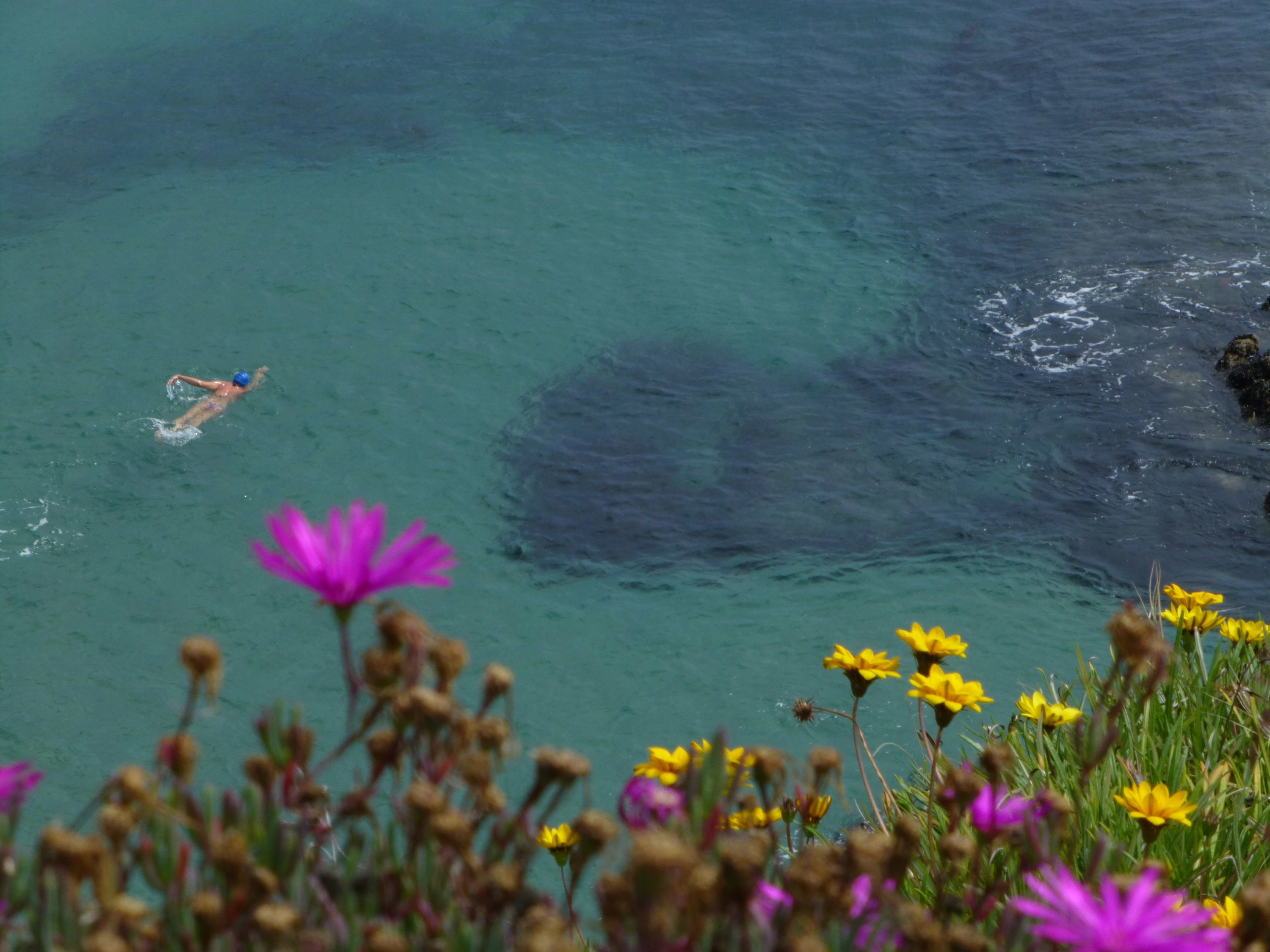
Laguna’s Underwater Parks
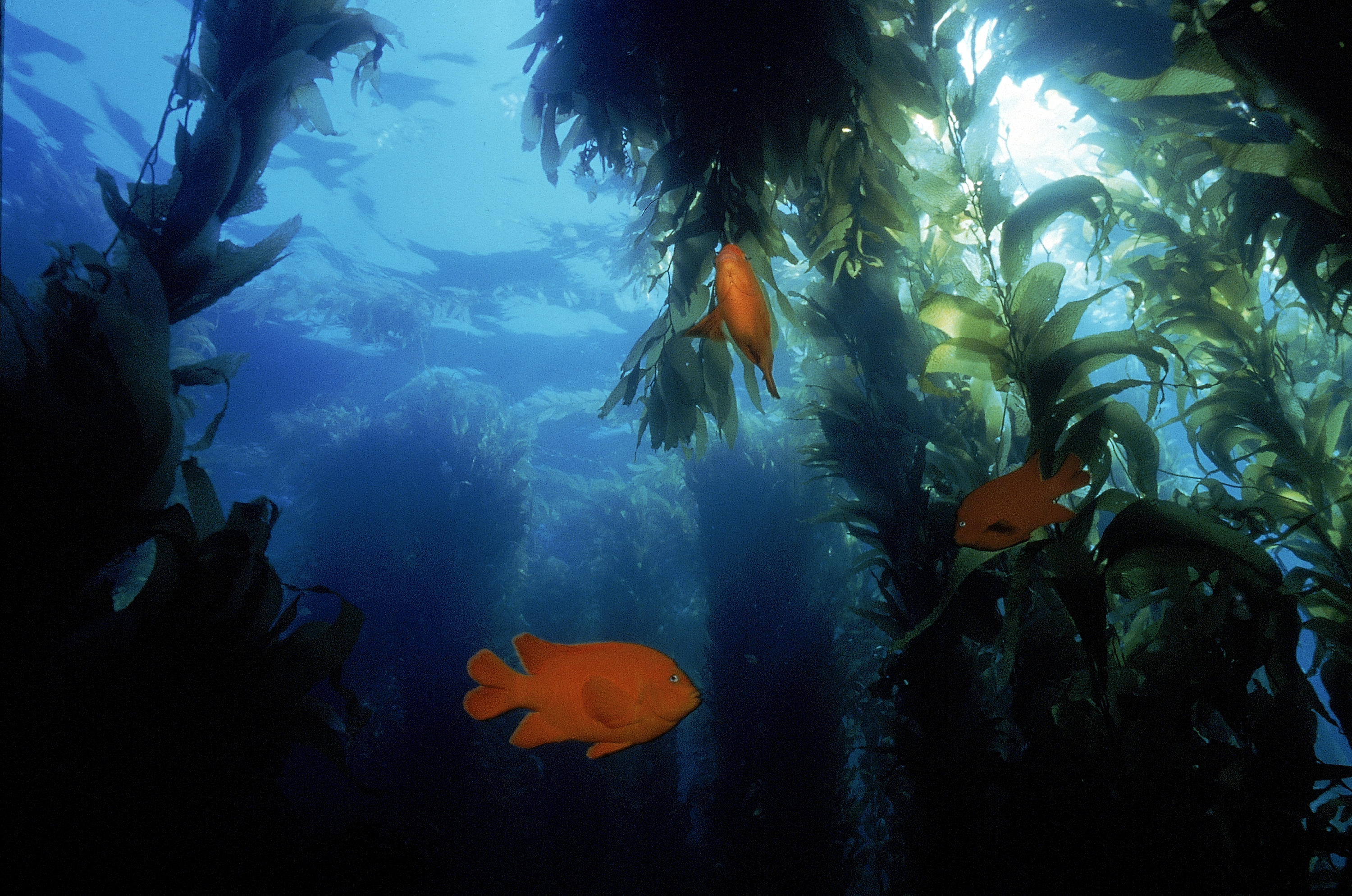
Just past the waves lies a whole world of kelp forests, bright orange garibaldi, lobsters and sea fans. Here’s how Laguna’s Marine Protected Areas care for it, and why they’re good news for everyone who loves our coast.
Start exploringGood news for anglersLike a national park, but underwater
A Marine Protected Area, or MPA, is a stretch of ocean set aside so sea life can live, grow up and raise its young in peace. Think of Yosemite, but for kelp forests and tidepools.
California passed the Marine Life Protection Act in 1999 to build a statewide network of these underwater parks. Fishermen, divers, scientists and neighbors spent years drawing the map together, and Southern California’s MPAs took effect on January 1, 2012. Today the network is the first in the world to earn a place on the International Union for Conservation of Nature’s Green List of the best-managed protected areas.
Three kinds of protection
The strongest protection. Nothing living, and no rocks or shells, may be taken. Laguna’s biggest MPA is a reserve.
Works just like a reserve for visitors: look, enjoy, and leave everything where you found it.
Some fishing is allowed with a California fishing license, but the rules list exactly what, and tidepools are still off limits for collecting.
Everyone is welcome. The only thing left behind is taking. In Laguna’s no-take areas you can still enjoy almost everything the ocean offers:
Laguna’s protected coastline
Since 2012, about 70% of Laguna’s coastline has been fully protected, with no fishing or collecting. But not all of it: south of Table Rock, the reefs at Thousand Steps and Three Arch Bay are still open to fishing. That is the Last Mile we are working to protect. North to south, here is what you’ll find:
Simplified map, not to scale. For exact boundaries see the CDFW Laguna Beach and Dana Point MPA pages.

Three simple ideas
Underwater parks work for the same reasons a protected forest grows tall: give living things time and space, and nature does the rest.
1Big fish make many more babies
A fish that gets to grow up doesn’t just get bigger. It produces far more young. A 23½-inch vermilion rockfish produces about 1.7 million young, more than 11 times as many as a 14½-inch fish. Protected areas are where those big, productive parents can live.

2Nature keeps itself in balance
In a kelp forest, lobsters and sheephead eat sea urchins, and urchins eat kelp. When predators are protected, they keep urchins in check and the kelp forest thrives. At Anacapa Island’s reserve, scientists found six times more lobsters, far fewer urchins and five times more kelp than in nearby fished waters.

3Sea life needs time to grow up
Many ocean animals take years to start having young: about 4½ years for a California spiny lobster, and longer for many rockfish. California sheephead can live 50 years or more. Protected areas give them the time they need.

Do they work? Yes.
Around the world
- A study of 124 marine reserves in 29 countries found that, on average, the total weight of sea life was 446% higher, animals were 166% more numerous and 28% bigger, and there were 21% more kinds of species inside reserves.
- At Cabo Pulmo in Baja, where villagers protected their reef, fish biomass grew 463% in ten years, and the town now thrives on diving and ecotourism.
Here in California
- California’s first ten-year review found fish on nearshore rocky reefs were bigger and more abundant inside MPAs, true for more than 70% of the species studied.
- Sea life inside MPAs held up better through the 2014–2016 marine heatwave, and fish diversity bounced back faster afterward.
- In Laguna, Reef Check divers measured California sheephead up to 28 inches on protected reefs, compared with no more than 20.5 inches at the unprotected reefs just south.
Sources: Lester et al. 2009, Marine Ecology Progress Series; Aburto-Oropeza et al. 2011, PLoS ONE; CA Decadal Management Review key findings (2022); Reef Check California, Laguna Beach evaluation (2026).
Good news for families who fish
If you fish, thank you. Many Laguna families gave up favorite spots so our reefs could recover. Here’s the good part: the science says that sacrifice comes back.
The “spillover” effect
As fish and lobsters grow big and plentiful inside a reserve, they swim across the line and their babies drift out on the currents, stocking the fishing grounds next door.
- Near Santa Barbara, closing about a third of the local lobster grounds was more than made up for: the total lobster catch in those areas rose 225% within six years.
- At the Channel Islands, traps set just outside reserve borders caught nearly 400% more legal-size lobsters after ten years.
- Anglers who joined California’s research fishing trips caught more and bigger fish, and came away with a more positive view of MPAs.
A whole world to discover
You don’t need a boat or a fishing pole to enjoy Laguna’s MPAs, just a mask, a tidepool, or a curious kid.


How to be a great guest
See something wrong? Report it.
Learn more
The reefs are ours to restore or lose
Whether you fish, dive, surf or just love a day at the beach, Laguna’s underwater parks are working for you. Come see for yourself, and help us protect the last mile.
Protect the Last MileJoin or donateSources: California Department of Fish and Wildlife, MPA statistics and Laguna Beach and Dana Point MPA pages; California Ocean Protection Council, MPA network overview and Decadal Management Review (2022); California Natural Resources Agency (IUCN Green List); California Collaborative Fisheries Research Program report (2022); Lester et al. (2009) Marine Ecology Progress Series 384:33–46; Aburto-Oropeza et al. (2011) PLoS ONE 6(8):e23601; Lenihan et al. (2021) Scientific Reports 11:2663; Lenihan et al. (2022), spillover at Channel Islands reserve borders; Behrens & Lafferty (2004) Marine Ecology Progress Series; Love et al. (1990) NOAA; PISCO, The Science of Marine Reserves; Reef Check California (2026); City of Laguna Beach Marine Safety.
Friend’s Corner
We are honored that Sylvia Earle would enthusiastically wear a "Reserve Laguna" button to indicate her support for our efforts.
She has been called "Her Deepness" by the New Yorker and the New York Times, "Living Legend" by the Library of Congress, and the first "Hero for the Planet," is an oceanographer, explorer, author...Learn More
