

The Last Mile
 Photo: Lindy Yow, “Fish Bowl at Deadman’s Reef,” Laguna Bluebelt Photo Contest
The Last Mile
Laguna Beach protects almost its entire coastline. The final mile, home to the reefs at Thousand Steps and Three Arch Bay, is still open to fishing. The evidence shows what that is costing us.
Read the Full Report (PDF) Meet the ReefsA kelp forest is the foundation of the reef
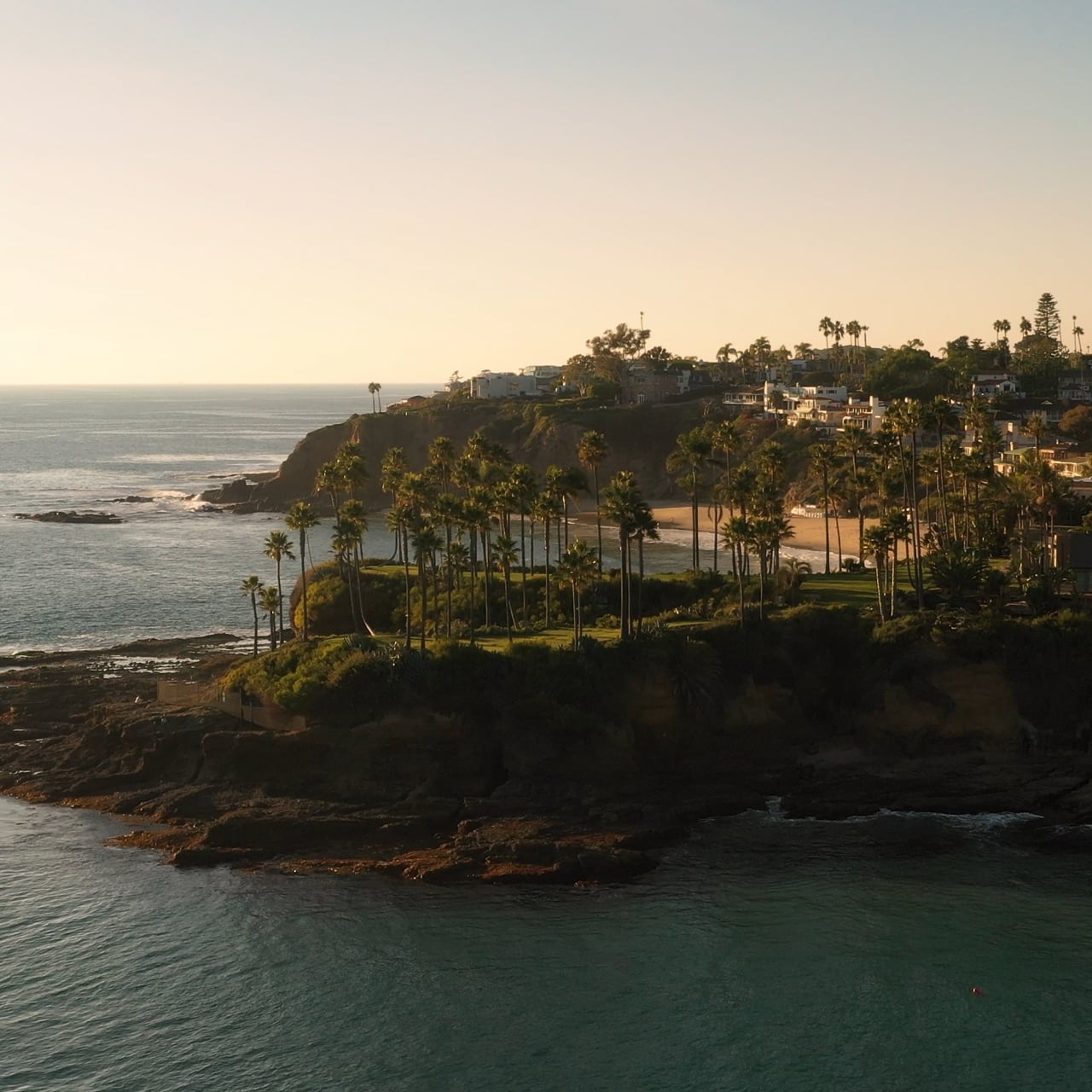
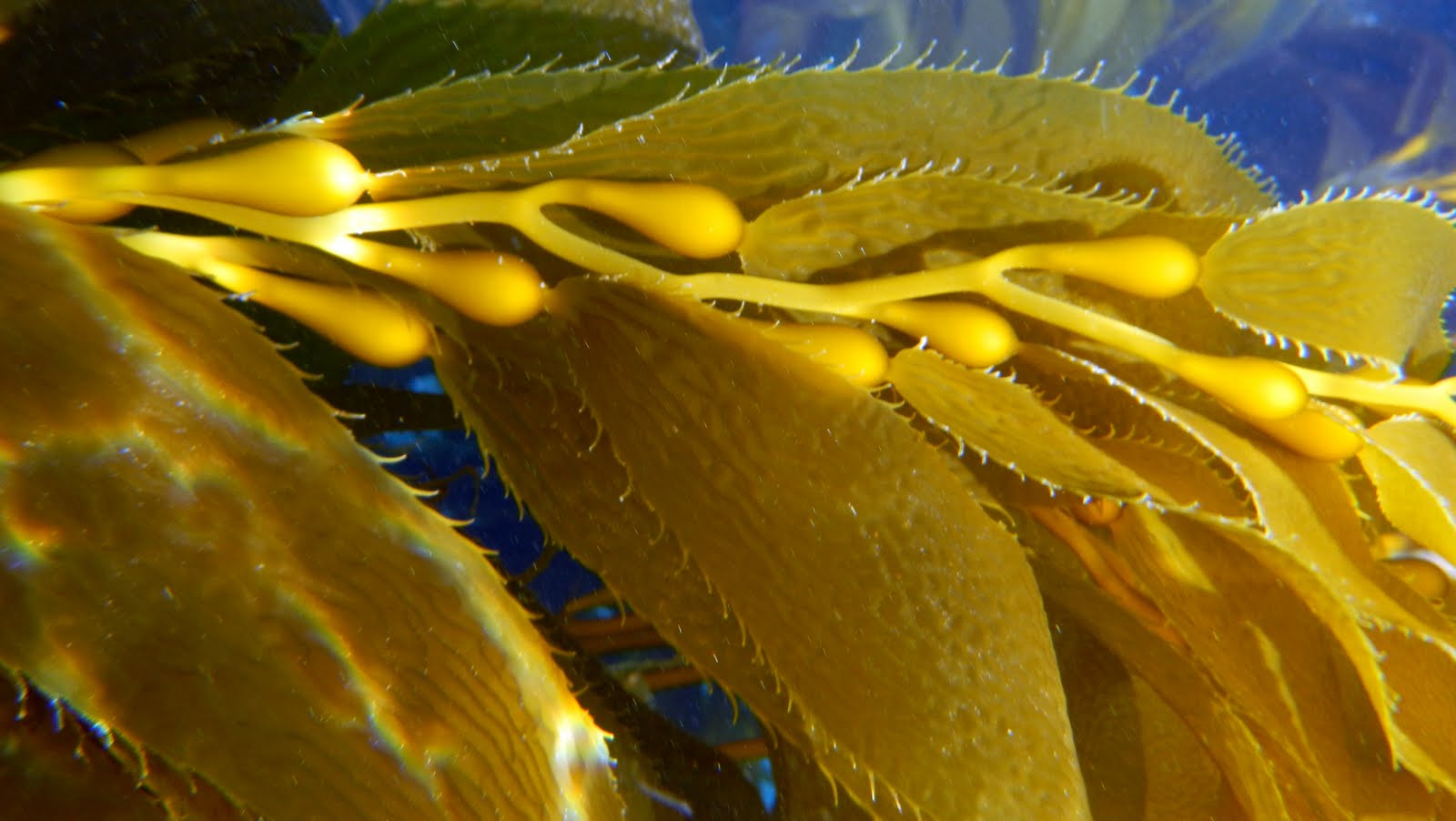
Kelp forests are often compared to rainforests. A single forest gives food, shelter and nursery habitat to hundreds of species, from the abalone and urchins at its base to the fish, seabirds and marine mammals that live and thrive in the canopy.
Since 2012, the Laguna Beach State Marine Reserve and No-Take Conservation Area have protected the reefs from Abalone Point south to Table Rock. Below Table Rock, the protection stops. Reef Check’s own evaluation calls this stretch “an additional mile of coastline” that “remains unprotected,” even though it is part of the same reef system. The Laguna Bluebelt Coalition’s report, The Last Mile, gathers the scientific evidence for closing that gap.
When my family moved to South Laguna in 1980, the kelp canopy offshore was astonishing. I want my neighbors, and their grandchildren, to see that again. Jinger Wallace, Board Member, Laguna Bluebelt Coalition
 ▶
See the last mile for yourself
Underwater filmmaker Jordan Manning’s short film takes you into Laguna’s marine protected area and Reef Check’s 2026 survey of these reefs.
Watch the VideoThousand Steps: a forest that never came back
In 2014, Thousand Steps had the best kelp coverage this stretch of coast had seen in thirty years. The reef grew it on its own, from spores spread by a 2012 countywide restoration effort. In the six years before the 2014–2016 marine heatwave, it averaged 38.1% kelp coverage, more than Laguna’s protected reefs.
The forest disappeared in 2015. More than a decade later, coverage still averages 0.2%. Marine biologist Nancy Caruso, who led the 2012 restoration, has found red urchins grazing out in the open: a reef held in a barren state.
The seafloor is solid, low-lying bedrock that is well suited for kelp. The forest grew here once. The report explains why it hasn’t grown back.

Explore the kelp record on KelpwatchReport §2.1: A Tipping Point
Same heatwave, different outcome
The 2014–2016 heatwave hit every reef in Laguna at the same time. Kelp crashed everywhere, including inside the reserve, where coverage fell as low as 2.7% in some years.
Then Laguna’s protected reefs recovered. In the most recent four years they have rebuilt to an average of 16.1%. Thousand Steps and Three Arch Bay, outside the reserve, have not recovered at all.
Same heatwave. Same region. Same starting point. The difference is protection.

Three Arch Bay: many habitats on one reef

Three Arch Bay’s steep pinnacles hold several habitats on a single reef: a wave-scoured top, current-swept slopes covered in gorgonian sea fans, and a deeper flat zone of typical reef life. Before the heatwave it averaged 20% kelp coverage. Today it averages zero.
- A first for Laguna. In 2026, Reef Check divers recorded a starry urchin here, the first in 19 years of Laguna Beach surveys. In Southern California the species had been seen only at the Channel Islands.
- Green abalone hold on. Across 35 Orange County sites, Nancy Caruso found her highest green abalone density at Three Arch Bay. It is still below the 0.2 per m² generally needed for a self-sustaining population. The Southern California fishery has been closed since 1997.
Reef Check’s Laguna Beach survey reportReport §2.1: Habitat diversity
The missing predators
A kelp forest can usually survive a heatwave alone, or the loss of its predators alone. Both together can push it past a tipping point.
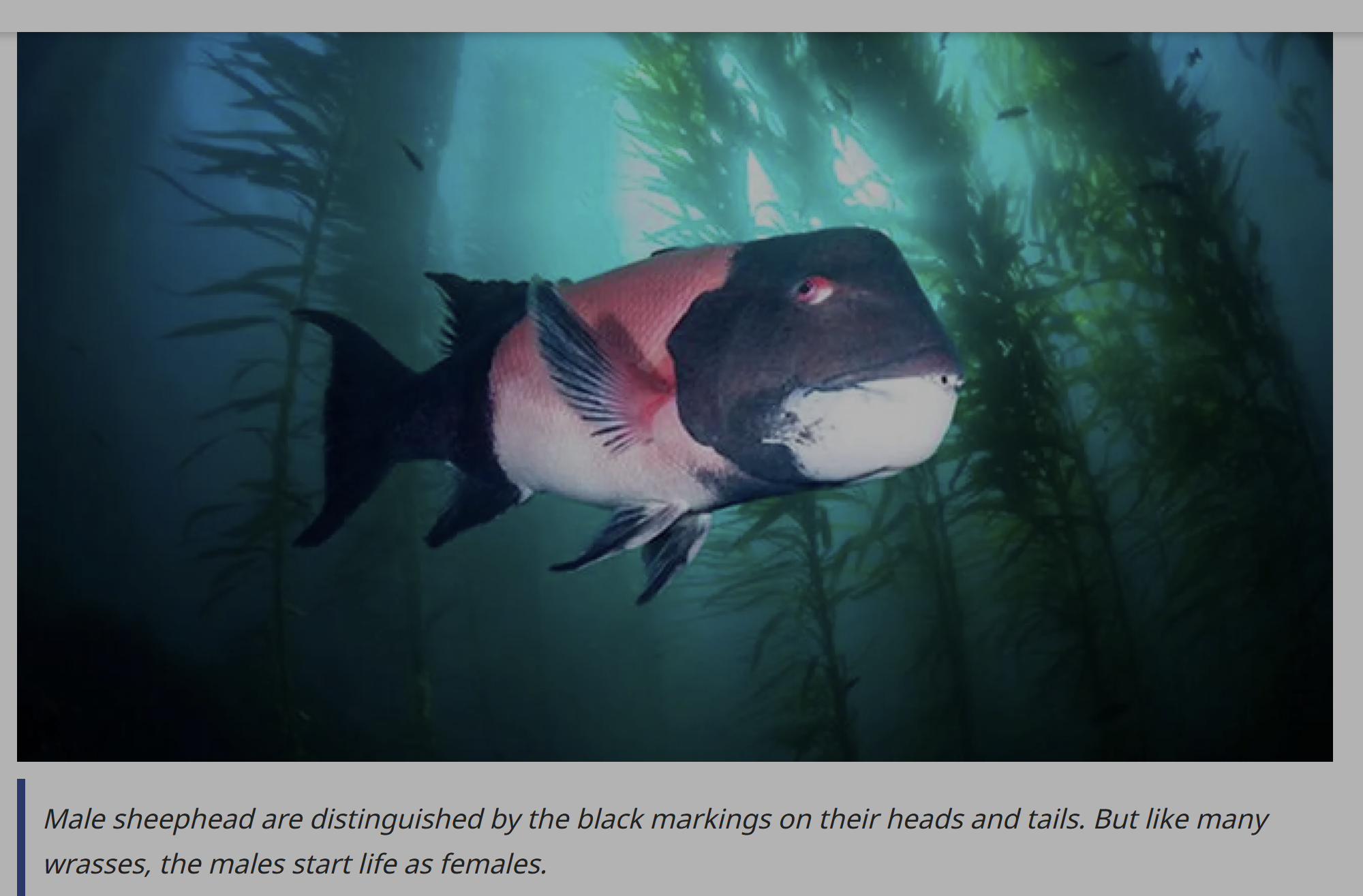
California sheephead and spiny lobster are the reef’s urchin controllers, and size matters. CDFW’s own science shows that sheephead under 8 inches don’t eat urchins at all. Against large urchins, fish under 11 inches succeed only about one time in ten, while fish over 18 inches succeed more than half the time.
Reef Check recorded sheephead up to 28 inches on Laguna’s protected reefs. The largest found at the two unprotected reefs was 20.5 inches, and at Three Arch Bay just 16.1 inches. At Thousand Steps, 94% of sheephead were too small to reliably control urchins.
Sheephead can live 53 years but grow slowly, changing from female to male between ages 5 and 13. Steady fishing doesn’t just remove the big fish once. It keeps the population from ever growing them back.

Fishing the line
Thousand Steps is the first reef south of the reserve boundary at Table Rock, about a quarter mile away. Fishing effort tends to gather along reserve edges, and research in Southern California found lobster fishing effort 250% higher at reserve borders.
From October 2023 to August 2026, a coalition member documented 50 sightings of commercial passenger fishing boats anchored at Thousand Steps, each with a photograph and most reported to Orange County Coastkeeper at the time. Of 47 documented dates, 45 matched Dana Wharf’s published catch records, and on those days the sheephead catch per angler ran about 52% above the fleet’s 13-year average. Residents at the boundary describe lobster traps stretching “as far as the eye can see.”
You can help document it. Orange County Coastkeeper’s MPA Watch trains volunteers to record what happens along Laguna’s coast, including at the reserve boundary.


What the agencies found
Neither the California Department of Fish and Wildlife nor the Ocean Protection Council disputes that kelp at these reefs has collapsed. Both acknowledged that extending protection would increase protection and likely benefit fished species. CDFW’s own evaluation found the extension would add:
- 45% more total protected area in the Laguna Beach SMCA
- 321% more protected rocky intertidal habitat, and 176% more protected beach
- 0.36 square miles of kelp habitat with no protection today
In July 2026, twelve independent marine scientists wrote to the Fish and Game Commission that California’s MPAs “show significantly greater post-heatwave recovery” than unprotected areas, and urged a precautionary approach.
Where things stand
On October 16, 2026, the California Fish and Game Commission declined Petition 2023-24MPA_AM1. The evidence gathered in The Last Mile still stands, and so does the need. The Coalition will keep documenting these reefs and making the case for protecting them.
Explore the reefs
More detail, data and photos of South Laguna’s reefs and the marine protected areas around them:
The reefs are ours to restore or lose
Protection has already brought Laguna’s northern reefs back from the heatwave. The last mile deserves the same chance. Choose a way to help.
Sign the Petition• KelpFest
• Berm Buddies
• Rivian / Coast Film Festival
Contact us to join in.
With thanks to Reef Check California, marine biologist Nancy Caruso (Get Inspired), Orange County Coastkeeper, Kelpwatch.org, and everyone in our ocean community who helps document these reefs. Charts are from The Last Mile: Scientific and Evidentiary Support for Extending Marine Protection to South Laguna’s Unprotected Reefs, Laguna Bluebelt Coalition, 2026.
Friend’s Corner
We are honored that Sylvia Earle would enthusiastically wear a "Reserve Laguna" button to indicate her support for our efforts.
She has been called "Her Deepness" by the New Yorker and the New York Times, "Living Legend" by the Library of Congress, and the first "Hero for the Planet," is an oceanographer, explorer, author...Learn More
